One platform for every way
you get paid.

Direct Debit, bank transfers and card payments — online and in person — all in one place. Collect from any customer, however they want to pay.

Connects to the software you already use.

Native integrations with the leading UK accounting and bookkeeping tools. Or build your own with our open API.

Sage FreeAgent Clear Books FreshBooks
See all integrations Open API

Every payment method.
In one place.

Live demo Hosted Checkout

Take payments on your site, in one line of code.

Got a website? Add a single snippet and start getting paid — for products, services or subscriptions. The checkout here is live: every payment is a real donation to Blue Harbour Trust, an ocean-conservation non-profit. Try it.

Goods & services One-time or subscription Card or Direct Debit
Geniqlo Blue Harbour Trust £2.00
Make a donation
Jane Smith · London
Encrypted · secured by Geniqlo
New Wallet

The Geniqlo Wallet.

Hold, move and convert funds in one place. Instant transfers, £0 internal fees, and FX into 50+ currencies for cross-border payments — money that moves as fast as your business.

New Funding

Merchant Cash Advance

Up to £1m in under 48 hours.

Get an advance against your future sales and repay automatically as a small share of what you take each day — so repayments flex with your business. No fixed monthly payments, no hidden fees.

Repay from daily sales Funds in 48 hours No fixed term

Choose your account limit

£50,000Account limit
Repay with 10% of daily sales
£100,000Account limit
Repay with 12% of daily sales
£150,000Account limit
Repay with 15% of daily sales

Pricing built for businesses of all sizes.

Pay as you go. No setup costs. No hidden fees.

Standard

One platform, every method, pay-as-you-go. No setup fees, no monthly minimums, no hidden charges.

0.9% + 15p
Direct Debit & bank transfers
1% + 15p
Consumer UK cards
1.8% + 15p
Business UK cards

Custom

For high-volume businesses (£1m+ annual). Talk to us.

IC+ pricing
Volume discounts
Multi-product discounts
Scheme programmes
See full pricing & calculator

Payments that just work?
Already on it.

One signup. Live in minutes. Every way your customers want to pay.

Pricing built for businesses of all sizes

Standard

One platform, every method, pay-as-you-go. No setup fees. No monthly minimums. No hidden charges.

0.9% + 15p
for Direct Debit & bank transfers
1% + 15p
for consumer UK cards
1.8% + 15p
for business UK cards

Custom

For high-volume businesses (£1m+ annual). Talk to us.

IC+ pricing
Volume discounts
Multi-product discounts
Scheme programmes

Standard pricing

Pay as you go. No setup fees, no monthly minimums, no long-term contract. The same rates apply whether you're collecting one-off invoices, running subscriptions or taking payments in person.

Direct Debit Bacs · recurring or one-off
0.9% + 15p
Pay by Bank Open banking · instant settlement
0.9% + 15p
Consumer UK cards Visa & Mastercard, issued in the UK
1% + 15p
Business UK cards Commercial, corporate or business cards issued by Visa & Mastercard
1.8% + 15p
European Economic Area cards Visa & Mastercard issued in the EEA
2.25% + 15p

All rates per successful transaction. Some prices exclude VAT. No surcharge on high value transactions. No batch limits.

Chargebacks and Direct Debit indemnity claims charged at £15 each, only when a dispute results in a chargeback or successful indemnity claim. Other card brands and non-UK cards are also accepted; different rates may apply.

Calculate your savings.

Enter your volume and your mix. See what you'd save against the alternative — one provider for direct debit, another for cards, fragmented rates and surcharges.

£
60% bank · 40% card
All card All bank
80% consumer · 20% business
All business All consumer
Estimated monthly savings* Vs comparable single-tier provider rates on your mix
£—.—
Your cost on Geniqlo Across your payment mix
£—.—
Bank methods (0.9% + 15p)£0.00
Consumer cards (1% + 15p)£0.00
Business cards (1.8% + 15p)£0.00
Effective blended rate
Days back per month Less time chasing payments

* Savings comparison uses the published Pro tier of a leading UK bank-debit provider (1.4% + 20p for Direct Debit) and the published industry average rate range for UK card acceptance (sources: Funding Circle, Merchant Savvy, SumUp guides to UK card processing fees, 2026). Geniqlo applies one rate per method — no tiering, no surcharge on high value transactions, no batch limits. Your actual savings depend on your current provider, pricing model and transaction profile.
Xero research found UK small businesses can spend more than four hours a week chasing payments. Source: Xero, "Strategies to Manage Late Payments for UK Small Businesses".

Custom pricing

For businesses processing more than £1m a year. Pricing is built around your volume and your mix. Talk to us and we'll scope it together.

IC+ pricing

Interchange plus a single, transparent margin — itemised on every statement.

Volume discounts

Your rate steps down as your processed volume grows.

Multi-product discounts

One agreement across every method you use, priced together.

Scheme programmes

Access to Visa and Mastercard programmes you qualify for.

Contact sales

Frequently asked questions

What's the difference between consumer and business cards?

Consumer cards are the personal cards your customers use day to day. Business cards (also called commercial or corporate cards) are issued to companies and used for business spend.

The card networks charge a higher interchange rate on business cards, and our pricing reflects that: 1% + 15p for consumer UK cards, 1.8% + 15p for business UK cards. Both apply to UK-issued Visa and Mastercard.

How will I know if a customer is using a business card?

You don't need to know in advance — Geniqlo classifies each transaction at the point of capture based on data from the card networks, and the appropriate rate is applied automatically. You'll see the breakdown by card type in your dashboard.

That said, a rough guide: if you sell B2B, most of your card volume will be business cards. If you sell to consumers, most of it will be consumer cards. Sole traders often use a business card for business spend.

Why aren't Amex, Maestro and other card types listed?

The rates above cover UK-issued Visa and Mastercard — the cards most of our customers see. We also accept other card brands and non-UK cards; different rates may apply, so talk to us and we'll confirm the pricing for your mix.

Are there any setup or monthly fees?

No. On the Standard plan there's no setup fee, no monthly minimum and no long-term contract. You pay only when you successfully take a payment.

Do you charge more for high-value transactions?

No. There's no surcharge on Direct Debit transactions over £2,000, and no separate fee on high-value card transactions. The headline rate is the rate you pay.

Are there any batch limits or daily caps?

No. You can collect as many payments in a single batch as you need, and there are no daily, monthly or yearly volume limits on the Standard plan.

When do I get paid?

Card payments are settled the next day. Direct Debit requires a minimum of three days' advance notice to the payer, then funds are settled following the standard BACS cycle. Pay by Bank settles in seconds.

What happens if a transaction is disputed?

Chargebacks and Direct Debit indemnity claims are charged at £15 each, and only when a dispute results in a chargeback or successful indemnity claim. You can submit evidence in the dashboard.

What qualifies me for Custom pricing?

Businesses processing over £1m a year qualify for a volume-based custom rate. Talk to sales to scope a package.

Direct Debit, made simple.

Set up a mandate once. Collect on the schedule you choose. Funds are settled following the standard BACS cycle.

Payments
All time
Collected J. Smith Monthly plan 08 Nov £240.00
Collected M. Patel Instalment 2 of 4 08 Nov £625.00
Collected A. Khan Subscription 08 Nov £85.00
Pending L. Cooper Membership 10 Nov £120.00
Scheduled R. Walker Quarterly 12 Nov £1,200.00
Scheduled S. Owens Monthly plan 15 Nov £340.00
Collected D. Reed One-off 05 Nov £2,100.00

Whatever you need to collect.

One-off

Single scheduled collection.

Recurring

Fixed or variable on a schedule you set.

Subscriptions

Plan-based with proration and dunning.

Memberships

Annual or monthly with renewal logic.

Instalments

Split a sum across collections.

Split a payment across instalments.

Break a larger amount into a fixed number of collections over time. Set the amounts, set the dates, the rest runs automatically. As soon as the final collection is taken, the plan closes.

Instalment plan
M. Patel
4 collections
1
30 Mar 2026
£625.00
Collected
2
30 Apr 2026
£625.00
Collected
3
30 May 2026
£625.00
Pending
4
30 Jun 2026
£625.00
Scheduled
Total £2,500.00
Standard
0.9% + 15p

Per successful collection. No tiers. No surcharge on high-value transactions. No batch limits.

Custom
Volume-based

For high-volume businesses (£1m+ annual). Talk to us.

See full pricing & calculator

Bacs Direct Debit?
Already on it.

One platform. Every collection pattern. Set up in one signup.

Get paid in seconds.

Your customer authorises the payment in their banking app. Funds arrive in your account instantly. No card networks, no chargebacks, no waiting.

Your business
Pay £42.50
Barclays
HSBC
Monzo
Starling Bank
Revolut
Wise
Securely powered by Geniqlo

What Pay by Bank is good for.

One-off payments

Single payments, settled instantly.

Higher-value

No card limits. No high-value surcharges.

Lower fees

Routes around the card networks.

No chargebacks

Bank-authorised. Irrevocable.

Licensed Trade Charity
Helping those who help others
Make a one-time instant payment to Licensed Trade Charity
Donation
£1.00
INSTANT, ONE-OFF PAYMENT
Securely powered by Geniqlo

Try Pay by Bank yourself.

Curious what a Pay by Bank payment feels like? Make a donation to Licensed Trade Charity — a charity supporting people who work, or have worked, in the licensed drinks trade.

100% of your donation will go to charity.

How Pay by Bank works.

01

Customer selects their bank.

From any UK bank, on any device.

02

They authorise in their banking app.

Face ID, fingerprint, or PIN.

03

You're paid.

Funds in your account in seconds. Irrevocable.

Standard
0.9% + 15p

Per successful payment. No tiers. No surcharge on high-value transactions. No batch limits.

Custom
Volume-based

For high-volume businesses (£1m+ annual). Talk to us.

See full pricing & calculator

Instant bank payments?
Already on it.

Cheaper than cards. Faster than Bacs. Live on every UK bank.

Cards, online and in person.

Accept every major UK card. One platform for hosted checkout, payment links and in-person terminals. One dashboard. One settlement.

Your business
Pay £42.50
Pay by Bank
Card
Card number
4242 4242 4242 4242
Expiry
12 / 28
CVC
•••
Securely powered by Geniqlo

However you take cards.

Hosted checkout

Drop-in, customisable.

Payment links

Send a link, get paid.

API

Build your own checkout.

In person

Terminals and SoftPOS.

Your brand, your checkout.

Hosted checkout pages styled to match your brand — logo, colours, fonts, copy. The customer sees you. We handle the security, the compliance, and the rails.

S
Studio
Linen throw, oat
1 × £38.00
Subtotal£38.00
Shipping£4.50
Total£42.50
Payment
4242 4242 4242 4242
12 / 28
•••
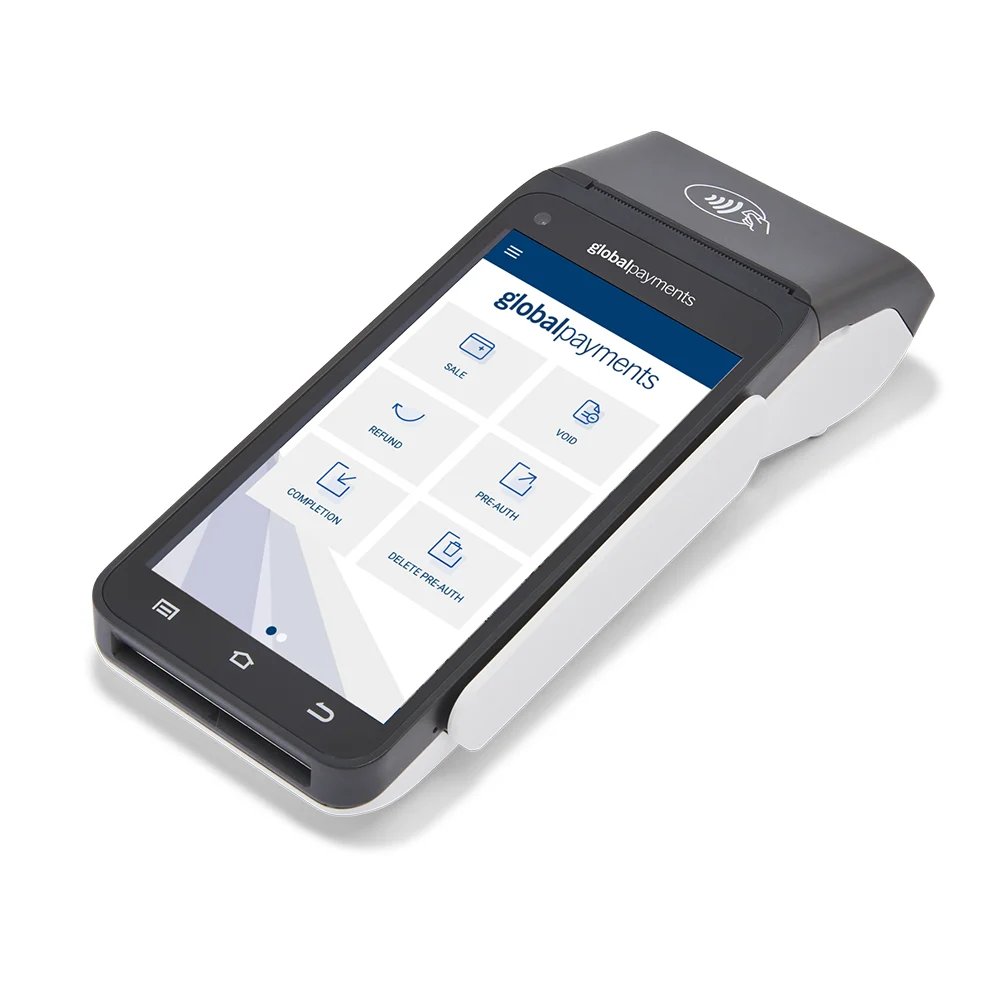
Smart payment terminal

In person, too.

Smart terminals, tap-to-pay on a phone, SoftPOS. Same rates, same dashboard, same settlement as your online payments.

Explore terminals
Standard
1% + 15p Consumer UK cards
1.8% + 15p Business UK cards

Per successful transaction. No surcharge on high-value transactions. No batch limits.

Custom
Volume-based

For high-volume businesses (£1m+ annual). Talk to us.

See full pricing & calculator

Card payments?
Already on it.

Online and in person. One platform. One dashboard. One settlement.

Add checkout anywhere. One line of code.

Hosted Checkout lets you sell on any website by pasting a single snippet. It works for physical goods, digital products, services and subscriptions — and every checkout is tied to a product you define once in Geniqlo.

What Hosted Checkout is good for.

Digital products

Downloads, licences and memberships.

Physical goods

Take payment and capture delivery details.

Services

Bookings, deposits and professional fees.

Subscriptions

Recurring billing, handled automatically.

How Hosted Checkout works.

01

Create a product.

Name it, set a price, pick one-time or recurring. Define it once in Geniqlo.

02

Drop in the snippet.

Paste one line of code wherever you want to sell — a button, a page, a link in bio.

03

Get paid.

Customers check out without leaving your site. Funds settle and reconcile automatically.

Try it for yourself.

This is the real thing. Make a one-off donation to the Licensed Trade Charity — which supports people who work, or have worked, in the licensed drinks trade — and you'll go through exactly the Hosted Checkout your own customers would see. Same single line of code, embedded right here.

100% of your donation goes to the charity. Secure checkout powered by Geniqlo.

Licensed Trade Charity
Helping those who help others

Make a one-off donation

Secure checkout powered by Geniqlo
Standard
From 0.9% + 15p

No extra fee for Hosted Checkout. You pay the standard rate for whichever method your customer chooses.

Custom
Volume-based

For high-volume businesses (£1m+ annual). Talk to us.

See full pricing & calculator

Ready to get paid?
One line away.

Paste the snippet, define a product, start taking payments today.

Invoicing that gets you paid.

Create and send professional invoices in seconds, with card and Direct Debit built in. VAT is handled, reminders go out automatically, and every payment reconciles itself — no chasing, no spreadsheets.

Everything an invoice should do.

Built in seconds

Add lines, VAT and your branding. Save a draft or send.

Get paid your way

Card or Direct Debit, on a hosted pay page — you choose.

VAT & tax handled

Per-line VAT, totals calculated, ready for your books.

Auto-reconciled

Payments match to the invoice automatically. No chasing.

From draft to paid.

01

Build the invoice.

Pick a customer, add lines and VAT, add your logo.

02

Send or auto-charge.

Email a hosted pay page, or auto-charge a saved customer.

03

Paid & reconciled.

Funds settle and the invoice marks itself paid.

Invoicing?
Sorted.

Professional invoices, paid faster, reconciled for you.

Geniqlo vs GoCardless & Stripe.

Most providers do one slice well and leave you to bolt on the rest. Geniqlo is one platform — every method, in-person and online, invoicing, and reconciliation, running on a tier-1 acquirer with real people behind it.

 GeniqloGoCardlessStripe
Every method in one placeDirect Debit, Pay by Bank, cards, in personYesBank debit onlyOnline-first; weaker DD & in-person
Runs on a tier-1 acquirerGlobal Payments — 200+ countriesYesGlobal PaymentsNot an acquirerYesOwn acquiring
In-person & terminalsSmart terminals and SoftPOSYesVerifone hardwareTerminal (add-on)
Invoicing built inYesBasicYes
One reconciliation & reportingEvery method, one ledgerYesPartialPartial / stack it yourself
Named UK support & account managementYesLimitedA common frustration
Underwriting depth, fewer holdsBacked by a global acquirerYesHolds & freezes reported
Transparent, single UK rate cardYesPer-transaction, tieredPer-product pricing

Comparison reflects Geniqlo’s positioning against publicly described capabilities of GoCardless and Stripe and is for general guidance. Third-party names are trademarks of their respective owners.

Fully composite

DD, Pay by Bank, cards, in-person and invoicing on one platform — not a bank-debit tool (GoCardless) or an online-first stack (Stripe).

Acquirer-backed

Payments run on Global Payments — a top-tier global acquirer in 200+ countries — for deeper underwriting and fewer surprise holds.

Real support

Named UK support and account management — the thing users most often say is missing from Stripe.

One platform.
Not a stack.

See it against what you use today.

Take payments in person.

Smart Android terminals, portable machines and Tap to Pay on a phone — powered by Verifone hardware and settled next day, on the same platform as your online payments.

Verifone T650p smart terminal
Flagship

Verifone T650p

The all-in-one smart terminal.

Hardware for every counter.

Smart terminal

Verifone T650p

Android all-in-one with a large touchscreen, built-in apps and receipts. Your countertop hub.

Portable

Verifone V400m

Countertop or on the move — WiFi and 4G, all-day battery, fast contactless.

Handheld

Verifone e285

Pocket-sized companion for table service, deliveries and queue-busting.

SoftPOS

Tap to Pay on phone

Accept contactless on an Android phone — no extra hardware to buy.

One platform, in person too.

Next-day settlement

In-person takings in your account the next working day.

One dashboard

Card, in person, online and invoices — reconciled together.

Set up fast

Buy the device, take your first payment the same afternoon.

In person?
Sorted.

Verifone hardware, next-day settlement, one platform.

Connects to the software you already use.

Native integrations with the leading UK accounting and bookkeeping tools. Open APIs for everything else.

Build your own.

Use the Geniqlo API to connect your own systems. REST endpoints, webhooks for every event, SDKs for every major language. Sandbox in two minutes.

Integrated?
Already on it.

If you need something we don't have yet, we'll scope it with you.

Xero

Two-way sync. Reconcile every collection automatically.

What it does.

01

Two-way sync

Invoices created in Xero appear in Geniqlo automatically. Collections in Geniqlo update Xero in real time.

02

Automated reconciliation

Every successful collection is matched to its invoice and marked paid in Xero without any manual work.

03

Real-time status

Collected, pending, failed — your finance team sees the status of every payment as it happens.

How to connect.

1

Sign in to Xero

You'll need admin access to authorise the connection.

2

Authorise Geniqlo

From the Geniqlo dashboard, click Connect & Xero. Sign in to Xero and approve the connection.

3

Map your settings

Choose which Xero accounts and contacts to sync. Set defaults for new collections. You're live.

Xero integration?
Already on it.

Sign up now and you'll be among the first to use it.

Integrations / QuickBooks

QuickBooks

Send invoices, collect payments, reconcile in one flow.

What it does.

01

Two-way sync

Invoices created in QuickBooks appear in Geniqlo automatically. Collections in Geniqlo update QuickBooks in real time.

02

Automated reconciliation

Every successful collection is matched to its invoice and marked paid in QuickBooks without any manual work.

03

Real-time status

Collected, pending, failed — your finance team sees the status of every payment as it happens.

How to connect.

1

Sign in to QuickBooks

You'll need admin access to authorise the connection.

2

Authorise Geniqlo

From the Geniqlo dashboard, click Connect & QuickBooks. Sign in to QuickBooks and approve the connection.

3

Map your settings

Choose which QuickBooks accounts and contacts to sync. Set defaults for new collections. You're live.

QuickBooks integration?
Already on it.

Sign up now and you'll be among the first to use it.

Sage

Connect collections to your ledger.

Sage

What it does.

01

Two-way sync

Invoices created in Sage appear in Geniqlo automatically. Collections in Geniqlo update Sage in real time.

02

Automated reconciliation

Every successful collection is matched to its invoice and marked paid in Sage without any manual work.

03

Real-time status

Collected, pending, failed — your finance team sees the status of every payment as it happens.

How to connect.

1

Sign in to Sage

You'll need admin access to authorise the connection.

2

Authorise Geniqlo

From the Geniqlo dashboard, click Connect & Sage. Sign in to Sage and approve the connection.

3

Map your settings

Choose which Sage accounts and contacts to sync. Set defaults for new collections. You're live.

Sage integration?
Already on it.

Sign up now and you'll be among the first to use it.

Integrations / FreeAgent

FreeAgent

Recurring collections, made simple.

FreeAgent

What it does.

01

Two-way sync

Invoices created in FreeAgent appear in Geniqlo automatically. Collections in Geniqlo update FreeAgent in real time.

02

Automated reconciliation

Every successful collection is matched to its invoice and marked paid in FreeAgent without any manual work.

03

Real-time status

Collected, pending, failed — your finance team sees the status of every payment as it happens.

How to connect.

1

Sign in to FreeAgent

You'll need admin access to authorise the connection.

2

Authorise Geniqlo

From the Geniqlo dashboard, click Connect & FreeAgent. Sign in to FreeAgent and approve the connection.

3

Map your settings

Choose which FreeAgent accounts and contacts to sync. Set defaults for new collections. You're live.

FreeAgent integration?
Already on it.

Sign up now and you'll be among the first to use it.

Integrations / Zoho Books

Zoho Books

Subscription billing and collection, end-to-end.

What it does.

01

Two-way sync

Invoices created in Zoho Books appear in Geniqlo automatically. Collections in Geniqlo update Zoho Books in real time.

02

Automated reconciliation

Every successful collection is matched to its invoice and marked paid in Zoho Books without any manual work.

03

Real-time status

Collected, pending, failed — your finance team sees the status of every payment as it happens.

How to connect.

1

Sign in to Zoho Books

You'll need admin access to authorise the connection.

2

Authorise Geniqlo

From the Geniqlo dashboard, click Connect & Zoho Books. Sign in to Zoho Books and approve the connection.

3

Map your settings

Choose which Zoho Books accounts and contacts to sync. Set defaults for new collections. You're live.

Zoho Books integration?
Already on it.

Sign up now and you'll be among the first to use it.

Integrations / KashFlow

KashFlow

UK-built bookkeeping, geniqlo-powered collection.

What it does.

01

Two-way sync

Invoices created in KashFlow appear in Geniqlo automatically. Collections in Geniqlo update KashFlow in real time.

02

Automated reconciliation

Every successful collection is matched to its invoice and marked paid in KashFlow without any manual work.

03

Real-time status

Collected, pending, failed — your finance team sees the status of every payment as it happens.

How to connect.

1

Sign in to KashFlow

You'll need admin access to authorise the connection.

2

Authorise Geniqlo

From the Geniqlo dashboard, click Connect & KashFlow. Sign in to KashFlow and approve the connection.

3

Map your settings

Choose which KashFlow accounts and contacts to sync. Set defaults for new collections. You're live.

KashFlow integration?
Already on it.

Sign up now and you'll be among the first to use it.

Integrations / Clear Books

Clear Books

MTD-compliant bookkeeping with automated collection.

Clear Books

What it does.

01

Two-way sync

Invoices created in Clear Books appear in Geniqlo automatically. Collections in Geniqlo update Clear Books in real time.

02

Automated reconciliation

Every successful collection is matched to its invoice and marked paid in Clear Books without any manual work.

03

Real-time status

Collected, pending, failed — your finance team sees the status of every payment as it happens.

How to connect.

1

Sign in to Clear Books

You'll need admin access to authorise the connection.

2

Authorise Geniqlo

From the Geniqlo dashboard, click Connect & Clear Books. Sign in to Clear Books and approve the connection.

3

Map your settings

Choose which Clear Books accounts and contacts to sync. Set defaults for new collections. You're live.

Clear Books integration?
Already on it.

Sign up now and you'll be among the first to use it.

Integrations / FreshBooks

FreshBooks

Invoice clients, collect via Direct Debit and card.

FreshBooks

What it does.

01

Two-way sync

Invoices created in FreshBooks appear in Geniqlo automatically. Collections in Geniqlo update FreshBooks in real time.

02

Automated reconciliation

Every successful collection is matched to its invoice and marked paid in FreshBooks without any manual work.

03

Real-time status

Collected, pending, failed — your finance team sees the status of every payment as it happens.

How to connect.

1

Sign in to FreshBooks

You'll need admin access to authorise the connection.

2

Authorise Geniqlo

From the Geniqlo dashboard, click Connect & FreshBooks. Sign in to FreshBooks and approve the connection.

3

Map your settings

Choose which FreshBooks accounts and contacts to sync. Set defaults for new collections. You're live.

FreshBooks integration?
Already on it.

Sign up now and you'll be among the first to use it.

Blog

Insights on UK payments.

Practical insight for UK businesses on how to get paid. Direct Debit, Pay by Bank, card payments, integrations and strategy.

Pay by Bank

The UK Pay by Bank moment: why every SMB should care in 2026

Account-to-account payments are growing fastest in Europe. Here's what that means for UK businesses, and how Geniqlo fits in.

5 min read
Direct Debit

Direct Debit isn't going anywhere — but it's changing

Bacs Direct Debit is still the UK's workhorse for recurring billing. Instant payments aren't a replacement — they're a complement.

5 min read
Card payments

Card payments in 2026: still the backbone for most UK SMBs

Card volume isn't shrinking — the POS revolution is making it more accessible than ever. Why card payments still matter on Geniqlo.

4 min read
Integrations

Embedded finance for accountants and bookkeepers: what Geniqlo's integrations unlock

Xero, QuickBooks, Sage, FreeAgent and four more. How Geniqlo's accounting integrations turn payment collection into a back-office workflow.

6 min read
Strategy

Pay by Bank vs Direct Debit vs card: which to use, when

A practical guide for UK SMBs choosing between payment methods. Recurring? Ad-hoc? First-time customer? Each has a right answer.

5 min read
Open banking

Instant payments and the SMB cash-flow problem

For SMBs, cash flow is existential. Here's how instant payments via Pay by Bank close the gap between 'paid' and 'cleared'.

4 min read
Card payments

The POS revolution is coming for SMBs — here's what it means for collection

Mobile POS, SoftPOS, embedded checkout. How the Global Payments Trends Report Trend 2 plays out for UK SMBs.

5 min read
Open banking

Why account-to-account payments are growing fastest in Europe

Open banking has matured. Account-to-account is now the fastest-growing payment method in Europe. Here's what that means for UK businesses.

5 min read
Strategy

The hidden cost of card-only collection: a working example

If you only accept cards, what are you paying that you don't have to? A worked example for a UK SMB.

4 min read
Platform

How Geniqlo fits into a Global Payments stack

Geniqlo is a platform on top of Global Payments rails. Here's what that means for reliability, security, and scale for UK SMBs.

4 min read
Integrations

Bookkeeping integrations that actually save time: Xero, QuickBooks, Sage, FreeAgent reviewed

A practical look at the four leading UK accounting integrations on Geniqlo — what they do, where they shine, and which fits your business.

6 min read
Trends

What the 2026 Commerce and Payment Trends Report means for UK SMBs

Global Payments' annual research, distilled for UK SMBs. The trends, the data, and what to actually do about them.

8 min read
Blog · Pay by Bank

The UK Pay by Bank moment: why every SMB should care in 2026

Account-to-account payments are growing fastest in Europe. Here's what that means for UK businesses, and how Geniqlo fits in.

5 min read

For ten years, UK business payments have been a story about two rails: Direct Debit, and cards. Direct Debit for recurring; cards for everything else. That story is changing fast.

According to the 2026 Commerce and Payment Trends Report from Global Payments, account-to-account payments — better known in the UK as Pay by Bank — are growing faster than any other payment method in Europe. Nick Corrigan, International President at Global Payments, puts it plainly in the report:

"What we're seeing across Europe now, and something that's growing the fastest in Central Europe, are account-to-account payment methods, thanks to the growth of open banking standards and advancement of technologies — and that can come with much lower fees, there's improved economics for them."

Better economics. Instant settlement. No chargeback exposure. For a UK SMB that currently takes everything on card, Pay by Bank is starting to look less like an alternative and more like a sensible default for many transactions.

What Pay by Bank actually is

Pay by Bank is the consumer-facing name for instant account-to-account payments authorised through the customer's mobile banking app. Under the hood it uses the UK's open banking infrastructure — the same regulatory framework that powers Monzo's account aggregation and Plaid's data products — to initiate a payment directly from the customer's bank account to the business's.

The customer experience: they get a payment link, tap their bank's logo, get redirected into their banking app, approve with face ID, and they're done. No card details. No 3DS. No saved-card abandonment risk.

The business experience: settled funds in the bank account in seconds. No chargebacks (the payment is irrevocable once authorised). A simpler cost base than the card networks.

The economics are why it matters

Card transactions carry the interchange and scheme costs that come with the card networks. Pay by Bank runs on bank rails instead — typically with a simpler, more predictable cost base, and the speed of an instant payment.

For B2B invoices in particular, where business-card costs are highest, moving customers to a bank-based method can meaningfully reduce the cost of acceptance across every invoice you collect.

What's holding the UK back

The same Global Payments report notes that adoption varies sharply by region. Europe — including the UK — is ahead of North America on open banking-based payments, but behind APAC, where mandates and infrastructure investment have pushed instant payments to scale.

Three things slow UK SMB adoption today:

  • Habit. Cards work. Customers know how to use them. Changing the checkout to add a new method takes effort.
  • Fragmented providers. Open banking has been the domain of specialist providers — separate from your card acquirer, separate from your Direct Debit provider. Adding Pay by Bank meant adding another vendor, another integration, another reconciliation.
  • Consumer recognition. "Pay by Bank" as a brand is still building. But customers absolutely recognise their own bank's logo — and that's what they see at the point of choice.

Where Geniqlo fits

Geniqlo exists to solve the second problem. Direct Debit, Pay by Bank and card payments on one platform — same dashboard, same reconciliation, same contract. One signup with Geniqlo, every payment method available. Add Pay by Bank to your checkout without adding a vendor.

And because Geniqlo runs on Global Payments rails, card acceptance sits on established, regulated infrastructure. You don't have to add another provider to bring a new method on board.

If you're a UK business taking a meaningful share of payments on business cards, Pay by Bank should be on your shortlist for 2026. Read more about Geniqlo Pay by Bank →

Sources: 2026 Commerce & Payment Trends Report

Ready to consolidate your payments?
Sign up to Geniqlo.

One platform. Direct Debit, Pay by Bank, card payments. By Global Payments.

Blog · Direct Debit

Direct Debit isn't going anywhere — but it's changing

Bacs Direct Debit is still the UK's workhorse for recurring billing. Instant payments aren't a replacement — they're a complement.

5 min read

It's tempting, reading the 2026 Commerce and Payment Trends Report, to assume that instant payments are about to make every older payment rail obsolete. They're not. For UK SMBs collecting recurring revenue, Bacs Direct Debit remains the workhorse — and the new rails are arriving alongside it, not replacing it.

Here's what's actually happening, and what it means for how UK businesses should think about Direct Debit in 2026.

Direct Debit is still one of the most reliable ways to collect recurring revenue

Direct Debit on Geniqlo runs on bank rails, like Pay by Bank. But the real value of Direct Debit isn't the unit economics, it's the collection mechanics:

  • The merchant initiates. Once a mandate is set up, you pull funds on the date you choose. The customer doesn't have to remember, log in, tap their bank app, or do anything. Money moves automatically.
  • Failure rates are low. The Bacs scheme has been around since 1968. It's stable, well-understood, and integrated into every UK bank.
  • Customers like it for recurring spend. Gym memberships, software subscriptions, utility bills, insurance premiums — these have all been on Direct Debit for decades. People expect them to be.

The Global Payments report notes that instant payments are most useful when speed matters — refunds, gig pay, B2C disbursements. For recurring collection, speed isn't the problem. Reliability and unit cost are.

Where instant payments are eating Direct Debit's lunch

Direct Debit has two weaknesses:

  • Setup latency. Setting up a mandate takes 2–3 working days. For first invoice collection from a new customer, that's a problem.
  • Direct Debit Guarantee exposure. Customers can request a refund from their bank up to 13 months after a collection. Most use the guarantee for legitimate reasons. A small number don't.

This is where Pay by Bank fits in. Set up the Direct Debit mandate for ongoing collections, but use Pay by Bank for the first payment — closes the gap from "signed up" to "money in your account" from days to seconds, and lets you start service immediately. Same customer, same bank account, two different rails for two different jobs.

The B2B story is different

Toby Brown, Global Head of Financial Services Solutions at Google Cloud, makes a sharp observation in the Global Payments report:

"The vast majority of SMBs are actually B2B companies. These are the small accounting shops and the independent marketing agencies, etc. It means that they're unlikely to use services like real-time payments. They're invoicing, and they're approaching it differently."

B2B SMBs run on invoice and net terms. The customer takes 30 days to pay. You chase. You write off a percentage. Direct Debit isn't well-suited here either — it's built for known, scheduled, recurring amounts, not "we agreed to net-30 on a quote you accepted three weeks ago."

This is where Pay by Bank from an invoice link shines. Send the invoice; the customer pays with one tap from their phone. Cleared funds, same day. Direct Debit for the recurring; Pay by Bank for the ad-hoc.

What this means for UK SMBs

The dominant pattern for UK SMBs in 2026 is going to be multi-rail, not single-rail. Geniqlo exists to make that easy — Direct Debit, Pay by Bank and card payments on one platform, one signup, one reconciliation. Running on Global Payments rails.

Pick the right rail for the right job. Don't pay business-card rates on a payment that could have been Pay by Bank or Direct Debit. See Geniqlo pricing →

Sources: 2026 Commerce & Payment Trends Report

Ready to consolidate your payments?
Sign up to Geniqlo.

One platform. Direct Debit, Pay by Bank, card payments. By Global Payments.

Blog · Card payments

Card payments in 2026: still the backbone for most UK SMBs

Card volume isn't shrinking — the POS revolution is making it more accessible than ever. Why card payments still matter on Geniqlo.

4 min read

Read any payments trend report from 2026 and you'd be forgiven for thinking that cards are on the way out. They're not. For UK SMBs, card payments remain the single largest collection channel — and the technology around them is getting cheaper, faster and easier to deploy.

The Global Payments report frames this as "Trend 2: Payment is everywhere." Alan Irwin, VP of Products and Solutions, International, at Global Payments, summarises it:

"Internationally, especially among small and medium-sized businesses that may have previously been a little reluctant to make major investments in new POS equipment, we're seeing a significant explosion in demand for electronic cash registers, smart terminals and the whole spectrum of new POS systems."

That demand is real. The story isn't fewer cards; the story is cards on more devices, in more places, for more transactions.

What's actually changing

Three shifts matter for UK SMBs:

  • Mobile POS is everywhere. Over 85% of midsized US retailers rely on mobile POS solutions, according to research cited in the Global Payments report. The UK is on the same trajectory. The barrier to taking a card payment is now "do you have a phone?"
  • Hardware costs are collapsing. The era of leasing a £500 terminal on a 5-year contract is over. SoftPOS turns any NFC-equipped Android phone into a card reader. Smart terminals are sold outright at the cost of a mid-range smartphone.
  • Digital wallets are now table stakes. Apple Pay, Google Pay and Click to Pay are integrated into checkout flows by default. Consumer recognition is near-universal in the UK.

What this means for collection

If you're a UK SMB taking card payments today, you have more options than ever before — and the cost of switching is lower than ever before. The traditional setup (terminal lease, statement-based pricing, hidden interchange) is being replaced by transparent unit pricing on standard hardware.

Geniqlo Card payments applies that model: consumer and business cards are classified automatically at point of capture, so you don't have to know in advance. Online, in person, terminal, hosted checkout, payment links — all in one place.

But card-only is the expensive way to collect

The honest truth: if a transaction could be Pay by Bank or Direct Debit, defaulting it to a card isn't always the right call. For B2B SMBs, where business-card mix is high and ticket sizes are larger, offering Pay by Bank alongside cards is worth considering.

The Global Payments report puts this neatly: payment choice means a range of rails are available to consumers and businesses, and the benefits of reduced acceptance costs can be reinvested elsewhere.

Card payments aren't going away. They're getting better.

The framing for 2026 isn't "cards or alternatives." It's "cards and alternatives, on one platform." That's Geniqlo: Direct Debit, Pay by Bank and card payments, all in one product, one signup, one reconciliation. Running on Global Payments rails — among the world's largest payment processors.

Read more about Geniqlo Card payments →

Sources: 2026 Commerce & Payment Trends Report

Ready to consolidate your payments?
Sign up to Geniqlo.

One platform. Direct Debit, Pay by Bank, card payments. By Global Payments.

Blog · Integrations

Embedded finance for accountants and bookkeepers: what Geniqlo's integrations unlock

Xero, QuickBooks, Sage, FreeAgent and four more. How Geniqlo's accounting integrations turn payment collection into a back-office workflow.

6 min read

"Embedded finance" is one of those phrases that's lost its edge from overuse. But the underlying idea — financial services delivered inside the tools businesses already use, not outside them — is the most important shift in SMB payments since the smartphone.

The Global Payments 2026 Commerce and Payment Trends Report calls this out as Trend 3. Mike Kresse, Executive VP of Commercial and New Payment Flows at Mastercard, summarises:

"Small businesses used to have to access numerous systems at the end of their day, including accounting, financial services and customer management, to perform the series of five-minute sprints required to close their books. Now, all those capabilities can be embedded in a single solution — a single user experience."

For UK SMBs and the accountants who serve them, that "single user experience" most often lives in their accounting software. Xero. QuickBooks. Sage. FreeAgent. Zoho Books. The whole point of these tools is that they're already the daily driver. Payments should plug into them, not the other way around.

Why Geniqlo integrations matter

Geniqlo offers native integrations with the UK's most-used accounting and bookkeeping tools — Xero, QuickBooks, Sage, FreeAgent, Zoho Books, KashFlow, Clear Books and FreshBooks — plus an open API for everything else. The integration is designed to do three things automatically:

  • Two-way invoice sync. Invoices issued in your accounting tool appear in Geniqlo. Collections taken in Geniqlo update the invoice status in your accounting tool.
  • Automated reconciliation. When a Direct Debit collection lands, when a Pay by Bank payment clears, when a card transaction settles — the payment is matched to the invoice and the line is closed without any manual tagging.
  • Real-time status. Pending, collected, failed, refunded — every state visible in the dashboard you're already in.

The accountant or finance lead never has to "go check Geniqlo." It just shows up where they live.

For B2B-focused accountants, this changes the conversation

Toby Brown of Google Cloud makes a sharp distinction in the report:

"The vast majority of SMBs are actually B2B companies. These are the small accounting shops and the independent marketing agencies, etc. […] You're looking at accounts payable, accounts receivable and all of the lending products to go hand in glove with that. It has a big impact on the types of embedded finance products that these SMBs will want to offer."

For accountants advising B2B SMB clients, this is the productive frame: not "how do we collect" but "how do we collect without manual reconciliation". That's where embedded payments + accounting integrations stop being a feature and start being the operating model.

What "good" looks like in 2026

A small B2B services firm using Xero, on Geniqlo, with the integration switched on:

  • Issues an invoice in Xero for £2,400 + VAT.
  • The invoice carries a "Pay by Bank" or "Pay by card" link, depending on configuration.
  • Customer pays via Pay by Bank from their phone within hours; funds clear instantly.
  • Geniqlo marks the collection. Xero marks the invoice paid. The reconciliation entry is created.
  • Total manual touches: zero.

Versus the alternative — invoice in Xero, separate card processor, bank statement reconciliation at month-end, mismatched line items, write-offs — the productivity gain is genuinely measurable. A bookkeeping team that used to spend a day a week on reconciliation can spend it on advisory work instead.

The other side: accountants can resell the integration

For accounting practices that act as their clients' payment-stack advisor, Geniqlo's integration directory is the spec sheet. Pick the right rails per client — Direct Debit for monthly retainers, Pay by Bank for ad-hoc invoices, card for the occasional consumer purchase — all reconciled into the same Xero or QuickBooks file.

If you advise UK SMBs on their payment stack, Geniqlo is worth a closer look. Talk to sales →

Sources: 2026 Commerce & Payment Trends Report

Ready to consolidate your payments?
Sign up to Geniqlo.

One platform. Direct Debit, Pay by Bank, card payments. By Global Payments.

Blog · Strategy

Pay by Bank vs Direct Debit vs card: which to use, when

A practical guide for UK SMBs choosing between payment methods. Recurring? Ad-hoc? First-time customer? Each has a right answer.

5 min read

One of the most common questions UK SMBs ask their payment provider is the simplest: which method should I use for this transaction? The answer used to be "whichever your single provider supports." With Geniqlo putting Direct Debit, Pay by Bank and card payments on one platform, the answer is now a real choice.

Here's how to think about it. Three rails, three jobs.

Direct Debit — for known, recurring amounts

Use Direct Debit when:

  • The customer has agreed to a recurring schedule (monthly subscription, weekly delivery, quarterly retainer)
  • The amount is known in advance or follows a predictable formula
  • The customer is UK-based with a UK bank account
  • You're optimising for the lowest unit cost and zero manual collection effort

Settlement: Standard BACS cycle · Risk: Direct Debit Guarantee (chargeback exposure up to 13 months)

The mental model: "Set it up once. Forget about it. Money lands on the day I expect, every time."

Pay by Bank — for ad-hoc and first-time

Use Pay by Bank when:

  • It's an ad-hoc payment (a project invoice, a one-off charge)
  • It's a first invoice to a customer where the Direct Debit mandate isn't set up yet
  • You want instant cleared funds rather than waiting for settlement
  • You want zero chargeback exposure (Pay by Bank is irrevocable once authorised)
  • The customer is comfortable with banking app authentication (true of nearly every UK consumer now)

Settlement: Instant · Risk: Effectively none (no chargeback, no Direct Debit Guarantee)

The mental model: "I need this paid now, and I want the money cleared today."

Card — for consumer-initiated, point-of-sale, and digital wallets

Use card payments when:

  • The customer is at a point of sale (online checkout, in-store terminal)
  • The customer expects Apple Pay or Google Pay
  • You're collecting from a non-UK customer or a customer without a UK bank account
  • The amount is small enough that the customer is unlikely to authenticate through a banking app
  • You need consumer-protection mechanics (chargeback rights, etc.)

Settlement: Next day · Risk: Chargeback exposure

The mental model: "This is a consumer-facing transaction and the customer expects card-style UX."

The combinations

The real power isn't picking one method — it's combining them. Two patterns to know:

The first-then-recurring pattern: Customer signs up. First payment is Pay by Bank (cleared funds today, you start service immediately). Direct Debit mandate is set up in the background. From month 2 onwards, Direct Debit. You've eliminated the 3-day setup latency.

The choice-at-checkout pattern: Send the customer a payment link. The checkout page shows three options — Pay by Bank, card, Apple Pay. The customer picks. You don't pay 2% on a payment the customer would happily have made by bank.

Doing the math

On a B2B invoice paid by business card, the cost of acceptance is at its highest — business-card rates sit above consumer cards.

The same invoice paid by Pay by Bank runs on bank rails, with a simpler cost base and no card-scheme fees.

The same invoice collected by Direct Debit (if recurring) uses the same bank rails, with zero ongoing manual effort.

Across a high volume of B2B invoices, giving customers a non-card option can reduce your total cost of acceptance over the year — money kept in the business simply by offering payment choice.

Run the numbers yourself with the Geniqlo calculator →

Sources: 2026 Commerce & Payment Trends Report

Ready to consolidate your payments?
Sign up to Geniqlo.

One platform. Direct Debit, Pay by Bank, card payments. By Global Payments.

Blog · Open banking

Instant payments and the SMB cash-flow problem

For SMBs, cash flow is existential. Here's how instant payments via Pay by Bank close the gap between 'paid' and 'cleared'.

4 min read

For a UK SMB, the gap between "invoice paid" and "funds in the account" is more than an accounting nuance. It's the difference between making payroll, paying suppliers on time, and being able to take on the next contract.

Laura Wallace, EVP and Head of Client Experience and Enablement at Global Payments, frames this in the 2026 Commerce and Payment Trends Report:

"For many SMBs, they have a strong need for cash flow, cash in hand, and they are really interested in anything that improves this."

This is why instant payments — and the open-banking infrastructure underneath them — are showing up at the top of SMB payment priority lists in 2026.

What "instant" actually means

"Instant" in the UK has a specific meaning. It refers to the Faster Payments system — the UK's real-time payment rail, available 24/7/365, settling in seconds. Pay by Bank, the consumer-facing name for open-banking-initiated payments, runs on Faster Payments. The money is in the recipient's bank account within seconds of the customer tapping "approve" in their banking app.

Compare this to:

  • Card payments: Authorised in seconds and settled the next day. You see the payment in your dashboard immediately.
  • Direct Debit: Initiated by you, with funds settled following the standard BACS cycle. Reliable, scheduled, predictable.
  • Manual bank transfer (Faster Payments without open banking): Instant, but requires the customer to log into their banking app, enter your sort code and account number, type the amount, and reference it correctly. Friction kills conversion.

Pay by Bank gets the speed of a manual bank transfer with the friction of a card payment — actually, lower, because the customer doesn't have to type their card number.

Why this matters for an SMB

Imagine a B2B services firm that closes a £15,000 project on a Friday afternoon. The customer wants to pay; you want to start. Two scenarios:

Card payment: Customer pays with a business card. Settled funds arrive in your account on Monday at the earliest. You've waited the whole weekend with the work blocked.

Pay by Bank: Customer pays from their banking app. Cleared funds in your account before they've finished their Friday cup of coffee. You start the work that afternoon.

That's three working days of cash flow recovered on one transaction — funds in the account same day instead of after the weekend.

The Direct Debit complement

For SMBs running recurring billing, the speed argument doesn't apply — you know when collection happens, you plan around it. Direct Debit, with its scheduled 3-day settlement, is the right tool there.

But for ad-hoc collection, first invoices, and B2B project payments, instant payments via Pay by Bank are the difference between cash-positive and cash-stretched. The Global Payments report puts it well: instant payments shrink accounts-receivable cycles and free up working capital. For an SMB, that's not a finance KPI — it's the operating model.

One platform, all three rails

Geniqlo gives UK SMBs Direct Debit, Pay by Bank and card payments on one platform, with one signup, one reconciliation, one contract. Pick the right rail per transaction. Don't pay business-card fees on cash flow that could have been instant.

Read more about Geniqlo Pay by Bank →

Sources: 2026 Commerce & Payment Trends Report

Ready to consolidate your payments?
Sign up to Geniqlo.

One platform. Direct Debit, Pay by Bank, card payments. By Global Payments.

Blog · Card payments

The POS revolution is coming for SMBs — here's what it means for collection

Mobile POS, SoftPOS, embedded checkout. How the Global Payments Trends Report Trend 2 plays out for UK SMBs.

5 min read

If you ran a UK SMB ten years ago and needed to take card payments, the path was clear: lease a terminal, sign a multi-year contract, accept opaque pricing, and hope the device didn't break. That world is over.

The 2026 Commerce and Payment Trends Report from Global Payments calls this "Trend 2: Payment is everywhere," and Alan Irwin, VP of Products and Solutions, International, at Global Payments, puts it bluntly:

"Internationally, especially among small and medium-sized businesses that may have previously been a little reluctant to make major investments in new POS equipment, we're seeing a significant explosion in demand for electronic cash registers, smart terminals and the whole spectrum of new POS systems."

The barrier to taking a card payment has collapsed. Three forces are doing the work.

1. Mobile POS as the default

Over 85% of midsized US retailers now rely on mobile POS solutions, according to research cited in the report. UK adoption is on the same curve. A smart terminal — capable of contactless, chip-and-PIN, digital wallets and receipt printing — now costs less than a mid-range smartphone, sold outright, no lease.

For an SMB, this means the POS investment that used to be a 3–5 year commitment is now a Day 1 commodity decision. You buy the device, you set up Geniqlo Card payments, you take your first payment that afternoon.

2. SoftPOS — the phone is the terminal

For service businesses that didn't traditionally have a fixed POS — plumbers, hairdressers, delivery drivers, market traders — SoftPOS is the bigger story. Any NFC-equipped Android phone can now be the card reader, contactless payments accepted directly on the device. No hardware purchase at all.

The economic implication: every SMB with a smartphone is a potential card-accepting business. The TAM for card acceptance just expanded by an order of magnitude.

3. Embedded checkout, pay-by-link, and the unified experience

For online-first SMBs, the POS conversation is different. The report notes that cloud-based POS systems support "unified networks that sync and coordinate POS devices" — so a single platform handles the in-store terminal, the online checkout, the pay-by-link invoice and the recurring billing.

This is exactly what Geniqlo is designed to deliver — but extended beyond cards. The same platform handles your in-person card payments, your online card checkout, your Pay by Bank invoice link, and your Direct Debit recurring collections. One dashboard. One reconciliation. One contract.

What this means for collection economics

The POS revolution lowers the hardware and onboarding cost of card acceptance. That's good. But it doesn't change the unit economics of cards themselves — card transactions still carry interchange and scheme costs regardless of the hardware. Lower hardware costs don't change the underlying card economics.

The right play for a UK SMB in 2026 isn't "all-cards-everywhere because it's now cheap to start." It's "all methods available, customer chooses, you pay the lowest unit cost the customer is willing to accept." A Pay by Bank link runs on bank rails rather than the card networks, with a different cost base.

The takeaway

Card payments are getting more accessible, faster to set up, and easier to integrate. For UK SMBs that's good news. But the POS revolution doesn't make cards cheaper than they were — it just makes them more universally available. The opportunity is in complementing cards with bank-based rails for the transactions where customers don't care which method they use.

Read more about Geniqlo Card payments →

Sources: 2026 Commerce & Payment Trends Report

Ready to consolidate your payments?
Sign up to Geniqlo.

One platform. Direct Debit, Pay by Bank, card payments. By Global Payments.

Blog · Open banking

Why account-to-account payments are growing fastest in Europe

Open banking has matured. Account-to-account is now the fastest-growing payment method in Europe. Here's what that means for UK businesses.

5 min read

The picture from the 2026 Commerce and Payment Trends Report is clear: account-to-account (A2A) payments are growing faster in Europe than anywhere else outside APAC. The UK sits inside that story, and UK SMBs that ignore it are leaving money on the table.

Nick Corrigan, International President at Global Payments, frames it directly:

"What we're seeing across Europe now, and something that's growing the fastest in Central Europe, are account-to-account payment methods, thanks to the growth of open banking standards and advancement of technologies — and that can come with much lower fees, there's improved economics for them. There is choice for the consumer."

Why Europe is ahead

Three structural reasons, all rooted in regulation.

PSD2 forced the rails open. The EU's Payment Services Directive 2 (and the UK's domestic Open Banking implementation) required banks to expose APIs for payment initiation and account information. Every UK retail bank now supports payment initiation under FCA-regulated Open Banking. The infrastructure is real, regulated and standardised.

Faster Payments was already there. The UK had instant settlement on the Faster Payments rail since 2008. A2A payments piggyback on it. The combination — open banking authorisation + Faster Payments settlement — is what makes Pay by Bank feel instant to the user.

Consumer trust in banking apps. By 2026, the vast majority of UK consumers do their banking on their phone. Face ID, banking-app authorisation, instant transfers between friends — this is muscle memory. The leap from "send money to a friend" to "approve a payment to a business" is small.

What the data shows

The Global Payments report's survey of 600 global payment decision-makers found Europe leading on A2A adoption. APAC, with its mature instant-payment systems like India's UPI and Brazil's PIX (cited in the same report), leads outright. North America lags.

The implication for UK SMBs: your customers are ready. The infrastructure is ready. The economic case is overwhelming. The thing that's been missing is availability at the point of payment — and that's now solved.

The fee story is the headline

Corrigan, again from the report:

"That can come with much lower fees, there's improved economics for them. There is choice for the consumer. You can reinvest the lower cost of acceptance into your loyalty programs."

For a UK SMB the principle is similar: Pay by Bank on Geniqlo runs on bank rails, while a business card carries card-scheme costs — so offering a bank-based option can reduce acceptance costs on B2B invoices.

For high-volume B2B businesses, the cumulative effect is the funding for a hire, a marketing budget, or just better margin.

The objection: customers want cards

Sometimes true, often not. The Global Payments report repeatedly notes that choice matters more than any single method's dominance. Consumers presented with three options (Pay by Bank, card, Apple Pay) pick the one that fits the context. For a B2B invoice paid from a phone in front of a banking app, that's frequently Pay by Bank. For a one-tap consumer purchase in a checkout, that's frequently Apple Pay. Both can be the right answer.

The job isn't to force a method. The job is to offer all three on the same platform, with the same reconciliation, behind the same contract. That's Geniqlo.

The takeaway

A2A payments aren't a future trend in Europe — they're a present reality, growing fast. UK SMBs that add Pay by Bank alongside cards in 2026 are not making a bet; they're responding to where their customers already are.

And because Geniqlo bundles Pay by Bank with Direct Debit and card payments on one platform, there's no integration cost, no second contract, no second reconciliation. See Geniqlo integrations →

Sources: 2026 Commerce & Payment Trends Report

Ready to consolidate your payments?
Sign up to Geniqlo.

One platform. Direct Debit, Pay by Bank, card payments. By Global Payments.

Blog · Strategy

The hidden cost of card-only collection: a working example

If you only accept cards, what are you paying that you don't have to? A worked example for a UK SMB.

4 min read

Most UK SMBs accept card payments. Many accept only card payments. There's an honest reason for this — cards are universally recognised, the customer experience is well-understood, and historically there hasn't been an easy alternative to bolt on.

But card-only is expensive, and the cost is mostly hidden because it's spread across every transaction. Here's what it actually looks like for a typical UK B2B SMB.

The setup

Take a small UK B2B services firm. They invoice clients in the range of £500–£3,000 per project. They do roughly 100 invoices a month. Average ticket: £1,200.

Right now, every invoice gets paid by card. Customers click a payment link, enter card details, done. Of the cards used, roughly 80% are business cards (commercial cards issued to the customer companies), 20% are personal/sole-trader cards.

The hidden cost

Card payments carry interchange and scheme costs, and business cards sit at the higher end of that range. When every invoice is paid by card — and most are paid by business card — the firm is paying the most expensive way to get paid, on every single transaction, by default.

The cost isn't visible because it's bundled into a percentage and quietly deducted. But across a year of invoicing, accepting only cards means absorbing the full cost of card acceptance on revenue that didn't need to move over the card networks at all.

The alternative

Now switch to Geniqlo with Pay by Bank as the default payment option, and card as the fallback. The customer sees Pay by Bank first. From the Global Payments 2026 Trends Report, we know European account-to-account adoption is high and growing — so a meaningful share of customers will choose it when it's offered.

Pay by Bank runs on bank rails rather than the card networks, so for the invoices where customers don't care which method they use, the firm collects on a simpler, lower-overhead rail instead of paying business-card costs by default. Adding Direct Debit for any recurring portion of the revenue improves the picture further.

The point

The win here isn't a headline rate — it's removing the card-only default. Offering customers a choice means the most expensive rail stops being the automatic one. No price increase, no new sales effort, and the customer experience is arguably better (Pay by Bank from a phone is faster than typing a card number).

What's blocking the move

For most UK SMBs the blocker isn't the logic. It's the vendor consolidation problem: adding Pay by Bank historically meant another provider, another integration, another reconciliation. So the benefit of each transaction got eaten by ops cost.

This is exactly the problem Geniqlo exists to solve: Direct Debit, Pay by Bank and card payments on one platform, by Global Payments. One signup. One reconciliation. One contract.

Want to see how it works for your business? See pricing and the savings calculator →

Sources: 2026 Commerce & Payment Trends Report

Ready to consolidate your payments?
Sign up to Geniqlo.

One platform. Direct Debit, Pay by Bank, card payments. By Global Payments.

Blog · Platform

How Geniqlo fits into a Global Payments stack

Geniqlo is a platform on top of Global Payments rails. Here's what that means for reliability, security, and scale for UK SMBs.

4 min read

One question we get often: "What's the relationship between Geniqlo and Global Payments?"

The short answer: Geniqlo is the platform; Global Payments is the rails. The longer answer, because it matters for how you should think about the product, the security model, and the long-term trajectory:

The architecture

Geniqlo is a payments platform — the dashboard, the APIs, the reconciliation engine, the customer-onboarding flow, the contract you sign. It's a single product, sold to UK businesses, that consolidates the experience of accepting Direct Debit, Pay by Bank and card payments.

Underneath Geniqlo, the actual payment processing happens on regulated rails operated by specialist providers:

  • Card payments are processed by Global Payments, an FCA-authorised payment institution operating to PCI DSS Level 1 standards. Global Payments is one of the world's largest card acquirers, processing transactions for millions of merchants in 100+ countries.
  • Pay by Bank uses UK open banking via an FCA-authorised Payment Initiation Service Provider partnership.
  • Direct Debit uses Bacs, with sponsorship by a UK Bacs-approved sponsor bank.

This is the "platform on top of rails" model. Done right, it gives a UK SMB the best of both worlds: SMB-friendly product experience, enterprise-grade infrastructure underneath.

Why this matters for reliability

Most fintech failures in the last decade have not been failures of the front end — the dashboard, the API, the customer experience. They've been failures of the rails: liquidity gaps, regulatory gaps, scheme suspensions, partner bank collapses. The customer-facing product wasn't the issue; the underlying infrastructure was.

By building on Global Payments rails for card, on regulated open-banking partners for Pay by Bank, and on Bacs for Direct Debit, Geniqlo inherits the operational maturity of platforms that have been processing payments at scale for decades. This isn't a startup running on a single bank's API.

Why this matters for security

Card data on Geniqlo never touches Geniqlo's own servers. It's tokenised at the point of capture by Global Payments' PCI-compliant card vault. The token comes back to Geniqlo; the raw PAN never does. This is the same architecture used by the world's largest enterprise merchants.

From a UK SMB's perspective, this means: you get card processing security that would normally only be available to enterprise merchants, behind a product that's priced for SMBs.

For more, see Geniqlo Security →.

Why this matters for scale

Global Payments processes over $1tn in payment volume annually. The acquiring infrastructure is sized for global retail giants. A UK SMB sitting on top of that infrastructure doesn't run into the limits that growing fintechs typically hit at scale — daily volume caps, batch limits, settlement bottlenecks.

This matters because the SMBs Geniqlo is built for are growing. The platform should grow with them without needing to migrate to a different provider when monthly volume goes from £100k to £1m to £10m.

Why this matters for trajectory

Building a serious payments platform takes years and requires deep regulatory and operational expertise. Geniqlo's product velocity comes from not having to build the rails — those are operated by Global Payments and our open-banking partner. We build the experience on top. That means feature releases (new integrations, new reporting, new flows) ship faster than they would for a vertically-integrated startup.

The bottom line

If you're picking a payment platform for a UK SMB in 2026, the relevant question isn't "is this provider going to be around in five years?" — it's "is the infrastructure underneath them going to be around in five years?"

For Geniqlo, the answer is Global Payments. More about Geniqlo →

Sources: 2026 Commerce & Payment Trends Report

Ready to consolidate your payments?
Sign up to Geniqlo.

One platform. Direct Debit, Pay by Bank, card payments. By Global Payments.

Blog · Integrations

Bookkeeping integrations that actually save time: Xero, QuickBooks, Sage, FreeAgent reviewed

A practical look at the four leading UK accounting integrations on Geniqlo — what they do, where they shine, and which fits your business.

6 min read

Among the accounting tools Geniqlo integrates with natively, four account for the vast majority of UK SMB usage: Xero, QuickBooks, Sage and FreeAgent. Here's a practical breakdown of each, with a steer on which fits which kind of UK business.

All four integrations do the same three core things: two-way invoice sync, automated reconciliation, real-time payment status. What differs is the kind of business each is best suited to, and the way payments fit into the broader workflow.

Xero — for the modern SMB and accountant-led practice

Xero is the UK market leader for SMBs and the platform most accounting practices have standardised on. Its strength is the breadth of its integration ecosystem and the cleanness of its API. The Geniqlo + Xero integration plays directly to this: collections, refunds and reconciliations flow into Xero automatically, mapped to the right accounts in the chart.

Best for: SMBs whose accountant runs everything from Xero; businesses with high-volume invoicing where reconciliation is a real time sink.

Geniqlo + Xero fit: Direct Debit for retainers, Pay by Bank for ad-hoc invoices, card for online checkout — all reconciled into the same Xero file with no manual intervention.

QuickBooks — for the established SMB with US-style finance team

QuickBooks (Intuit) has a strong UK footprint, particularly among businesses that have grown through US-influenced finance practices or have transatlantic clients. It does payroll, expense management and reporting alongside core bookkeeping, so the integration tends to sit alongside other QuickBooks workflows.

Best for: Mid-sized UK SMBs with finance teams who use QuickBooks as their single source of truth; businesses with cross-border operations.

Geniqlo + QuickBooks fit: Card payments for international customer billing, Direct Debit for UK recurring revenue, Pay by Bank for UK B2B ad-hoc.

Sage — for established UK businesses with mid-market needs

Sage is the UK home-grown veteran. It's particularly strong with established businesses in the £1–10m revenue band, with finance practices that have evolved alongside the product. Sage's Business Cloud Accounting, 50cloud and Intacct cover everything from small business through mid-market and ERP-adjacent needs.

Best for: Established UK SMBs and mid-market businesses, especially those with multi-entity reporting needs.

Geniqlo + Sage fit: The full stack — Direct Debit for recurring B2B billing, Pay by Bank for project work, card payments for any consumer-facing portion of the business.

FreeAgent — for freelancers, contractors, and small services firms

FreeAgent (owned by NatWest) is built for very small businesses: freelancers, sole traders, contractors, and small services firms (creative agencies, consultancies, etc.). The integration is simpler than the others — there are fewer accounts to map, simpler tax handling — but the time-saving impact is proportionally larger because the business owner often is the bookkeeper.

Best for: Sole traders, freelancers, small services firms doing 10–50 invoices a month.

Geniqlo + FreeAgent fit: Pay by Bank as the default for B2B invoices (saves money, clears instantly); card payments for the occasional consumer client.

The other four: Zoho Books, KashFlow, Clear Books, FreshBooks

Geniqlo also integrates with Zoho Books, KashFlow, Clear Books and FreshBooks — each strong in particular niches. Zoho Books for businesses already in the Zoho ecosystem; KashFlow for UK-focused bookkeeping; Clear Books for MTD-compliant simple accounts; FreshBooks for international-leaning service businesses.

The pattern is consistent: every native integration does invoice sync, reconciliation and status updates — and anything not listed can be connected through the API. The right one is the one you're already in.

What "good" looks like across all four

The Global Payments 2026 Commerce and Payment Trends Report frames embedded finance as financial services delivered inside the tools businesses already use. For UK SMBs, the accounting tool is the daily driver. Geniqlo's integration philosophy is to make payments appear where the user already lives, not to ask the user to come to a new dashboard.

See Geniqlo's integrations →

Sources: 2026 Commerce & Payment Trends Report

Ready to consolidate your payments?
Sign up to Geniqlo.

One platform. Direct Debit, Pay by Bank, card payments. By Global Payments.

Build with Geniqlo's API.

A single REST API for Direct Debit, bank transfers and cards. Idempotent by default, signed webhooks, sandbox parity — the things that matter when you put real money through an API.

# Quick-start: charge a card POST /v1/charges Authorization: Bearer sk_test_... { "amount": 4250, "currency": "GBP", "source": "tok_visa_4242", "description": "INV-2026-04183" }
Idempotent by default Signed webhooks Versioned API SDKs in the most-used languages Sandbox parity with production Regulated, audited infrastructure
API reference

Request our API documentation.

Endpoint reference, authentication, webhooks and SDK guides are available on request. Tell us what you're building and our team will set you up with the documentation, sandbox access and keys you need.

Request API documentation

Ready to build?
Request a sandbox.

Tell us what you're building and we'll set you up with sandbox access and keys.

Common questions, answered.

Quick answers to the questions we get most often. For anything not covered here, our team is happy to help.

Signing up and going live.

Who can sign up for Geniqlo?

Any UK-registered business or charity. Sole traders and limited companies are both welcome.

How long does it take to be approved?

Most businesses are verified within a working day or two of completing the sign-up flow. If your business operates in a higher-risk industry or has complex ownership, verification may take longer.

Is there a setup fee?

No. There's no setup fee, no monthly minimum and no long-term contract on the Standard plan. You pay only when you collect.

Do I need a separate bank account?

No. You settle all collections to your existing UK business bank account.

Fees, timelines and how you get paid.

What does Geniqlo cost?

On the Standard plan: Direct Debit and Pay by Bank are 0.9% + 15p per transaction; consumer cards (UK Visa & Mastercard) are 1% + 15p; business cards (commercial and corporate) are 1.8% + 15p. Businesses collecting over £1m a year qualify for custom pricing.

Are there hidden fees?

No. The rates above are what you pay. There's no setup fee, no monthly minimum and no long-term contract on the Standard plan.

When do I get paid?

Card payments are settled the next day. Direct Debit collections require a minimum of three days' advance notice to the payer before each collection, and funds are settled following the standard BACS cycle.

Can I pay out as well as collect?

Yes. Outbound payments to suppliers, staff or vendors are available on the same platform.

Day-to-day operations.

Can I use Geniqlo with my accounting software?

Yes. We have native integrations with Xero, QuickBooks and Sage, with more on the way. For other systems, our open APIs give you full access — or talk to sales about scoping a custom integration.

What happens if a payment fails?

Failed payments are retried automatically. You see every retry, every recovery and every final failure in the dashboard.

Can I refund a payment?

Yes. Full and partial refunds are supported on every method.

What about chargebacks?

Card chargebacks are managed through the dashboard, with evidence-submission tooling. Direct Debit indemnity claims (the Direct Debit Guarantee) are handled similarly.

How we protect you and your customers.

Is Geniqlo regulated?

Geniqlo is the platform, operated by Tipinc Limited. The regulated payment services accessed through Geniqlo (card acceptance and Direct Debit) are provided by GPUK LLP, trading as Global Payments, authorised by the FCA under the Payment Services Regulations 2017 (reference 504290).

Is Geniqlo PCI compliant?

Card payments on Geniqlo are processed by GPUK LLP (Global Payments), which is independently certified to PCI DSS Level 1 — the highest level of compliance — and audited annually by qualified security assessors. Card data is never stored on Tipinc systems; it is tokenised by Global Payments at the point of capture.

Where is my data stored?

Customer data is stored in UK and EEA data centres, with appropriate safeguards for any international transfers as set out in our Privacy Notice.

Are payments safe?

Payments on Geniqlo are protected by the Direct Debit Guarantee (for consumer Direct Debit) and Strong Customer Authentication (for cards), provided by GPUK LLP (Global Payments) as the regulated payment services provider.

Payments that just work?
Already on it.

One signup. Live in minutes. Every way your customers want to pay.

Sign up.

A few details and you're ready.

Minimum 12 characters with a number and a special character.

Collecting over £1m a year? Talk to sales for custom pricing.

Talk to sales.

For businesses with bespoke needs or collecting over £1m a year. A specialist will be in touch.

A specialist will respond shortly.

Get support.

Already a Geniqlo customer? Our support team is here to help.

Sign in.

Access your Geniqlo dashboard.

Forgot password? · Don't have an account yet? Sign up

A new platform for UK business payments.

Geniqlo brings Direct Debit, Pay by Bank and card payments into one product, on one platform, behind one contract. Built for UK businesses that want to consolidate their payment stack — powered by Global Payments, one of the world's largest payment processors.

Why we're building Geniqlo.

UK businesses have spent the last decade stitching together payment providers. A separate provider for Direct Debit. Another for cards. Another for open banking. Separate contracts, separate integrations, separate reconciliations to chase every month.

Geniqlo is what happens when you bring all of that into one product — purpose-built for the UK B2B market, with the scale and security of Global Payments underneath.

One platform. Every method. One reconciliation. Built for any UK business, any size — without the cost of stitching together your own.

Powered by Global Payments.

Global Payments is one of the world's largest payment-technology companies. Listed on the NYSE, operating in 100+ countries, processing transactions for millions of merchants. Geniqlo is built on that infrastructure — so UK businesses get enterprise-grade reliability and security at SMB-friendly pricing, in one product.

How we work.

Three things matter more than anything else when you run money for other people: reliability, transparency and care.

01

Reliable

Built on Global Payments' regulated payments infrastructure, with the operational maturity that running money for other businesses demands.

02

Transparent

Our pricing is on the website. Our contracts don't have hidden terms. Our fees don't change without notice.

03

Caring

Our support team is human and UK-based. Real people, not phone trees.

Payments that just work?
Already on it.

One signup. Live in minutes. Every way your customers want to pay.

Security by design.

Geniqlo is the platform. Payments are processed by Global Payments (GPUK LLP) behind the scenes. Here's how the whole stack stays safe.

PCI Compliance & information security

Every organisation that handles card payments must comply with the Payment Card Industry Data Security Standard (PCI DSS). Annual compliance is mandated by the payment card schemes and banks.

PCI DSS is a global standard, helping to protect cardholder data and tackle the growing threat of security breaches. It sets the operational and technical requirements for organisations handling card payments, and for software developers and manufacturers of payment applications and devices.

The Payment Services Provider for card acceptance on Geniqlo is GPUK LLP, trading as Global Payments. Global Payments' entire payment infrastructure is fully compliant with PCI DSS — certified at Level 1, the highest level of compliance — and is independently audited annually by qualified security assessors.

Card data is never stored on Tipinc Limited systems. It is tokenised at the point of capture by Global Payments and the token is what flows through Geniqlo.

Layered defence at every level.

Security on Geniqlo isn't a single feature. It's a layered model — built into the platform we operate, the regulated provider that handles your payments, and the controls that sit around both.

01

Regulated payments provider

Card acceptance and Direct Debit collection on Geniqlo are provided by GPUK LLP, trading as Global Payments, authorised by the Financial Conduct Authority under the Payment Services Regulations 2017 (reference 504290).

02

PCI DSS Level 1

Global Payments is independently certified to PCI DSS Level 1, the highest level of compliance, and audited annually by qualified security assessors.

03

ISO 27001 aligned

Our information-security framework as the Platform Operator follows ISO 27001 principles, with annual external review.

04

Encryption everywhere

All data in transit is encrypted with TLS 1.2+. All data at rest is encrypted with AES-256. Card data is tokenised by Global Payments at the point of capture; the platform never sees a primary account number.

05

Strong Customer Authentication

MFA on every login. SCA on every payment that requires it under PSD2/UK PSR.

06

Safeguarding of customer funds

Funds collected on your behalf are held and settled by GPUK LLP (Global Payments) in accordance with the FCA's safeguarding rules. Tipinc Limited does not hold customer funds.

Payments that just work?
Already on it.

One signup. Live in minutes. Every way your customers want to pay.

Built responsibly.

Bank-to-bank payments — Direct Debit, bank transfers, open banking — have a fraction of the carbon footprint of card transactions. By making them easier to use, Geniqlo helps reduce the environmental impact of every collection.

Sustainability across the platform.

Sustainability shows up in three places: how we run the platform, how we run the business, and how our customers run their billing.

01

Platform

Infrastructure hosted in data centres operating on renewable energy where available.

02

Business

We measure our footprint and publish progress annually.

03

Customers

Every payment moved on bank-to-bank rails instead of cards reduces carbon per transaction. We make those rails easier to default to.

Partner with Geniqlo.

If you build software for UK businesses — accounting tools, ERP systems, CRMs, billing platforms — partner with Geniqlo to offer your users a single, integrated payment platform.

What partners get.

Whether you embed Geniqlo in your product or refer customers to us, our partner programme is designed to grow with you.

01

Revenue share

Earn a share of processing volume on every customer you refer.

02

White-label option

Embed Geniqlo's checkout, dashboard or API into your product — branded as yours.

03

Joint go-to-market

Co-marketing, partner-tier launches, named contacts on both sides.

Payments that just work?
Already on it.

One signup. Live in minutes. Every way your customers want to pay.

Book a demo.

See how Geniqlo brings Direct Debit, Pay by Bank, cards, invoicing and reporting into one platform — and what you’d save. Tell us a little about your business and we’ll be in touch.

No obligation. We’ll never share your details.